
 SCHEDULE A TOUR
 Request Info
 UPCOMING EVENTs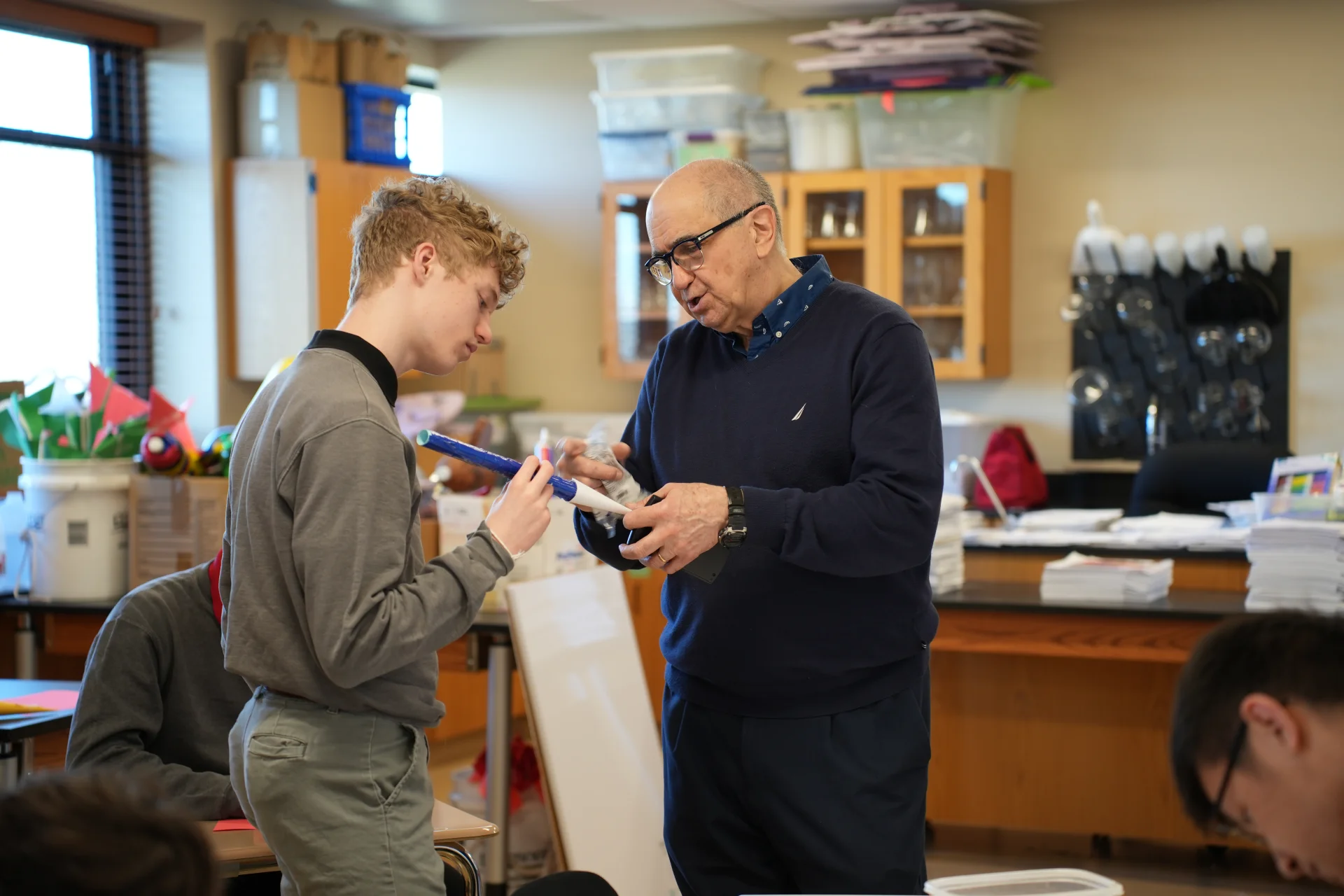
Boy Centered Learning and Why it Matters
September 14th, 2026
Over the past few years, studies have shown that boys are falling behind in school compared to their female counterparts. It’s become very clear that boys and girls learn differently. So finding the right educational environment can make a huge difference in both academic success and personal growth. For many boys, a learning experience intentionally designed around their developmental needs can help them become more engaged, more confident, and better prepared for life beyond school.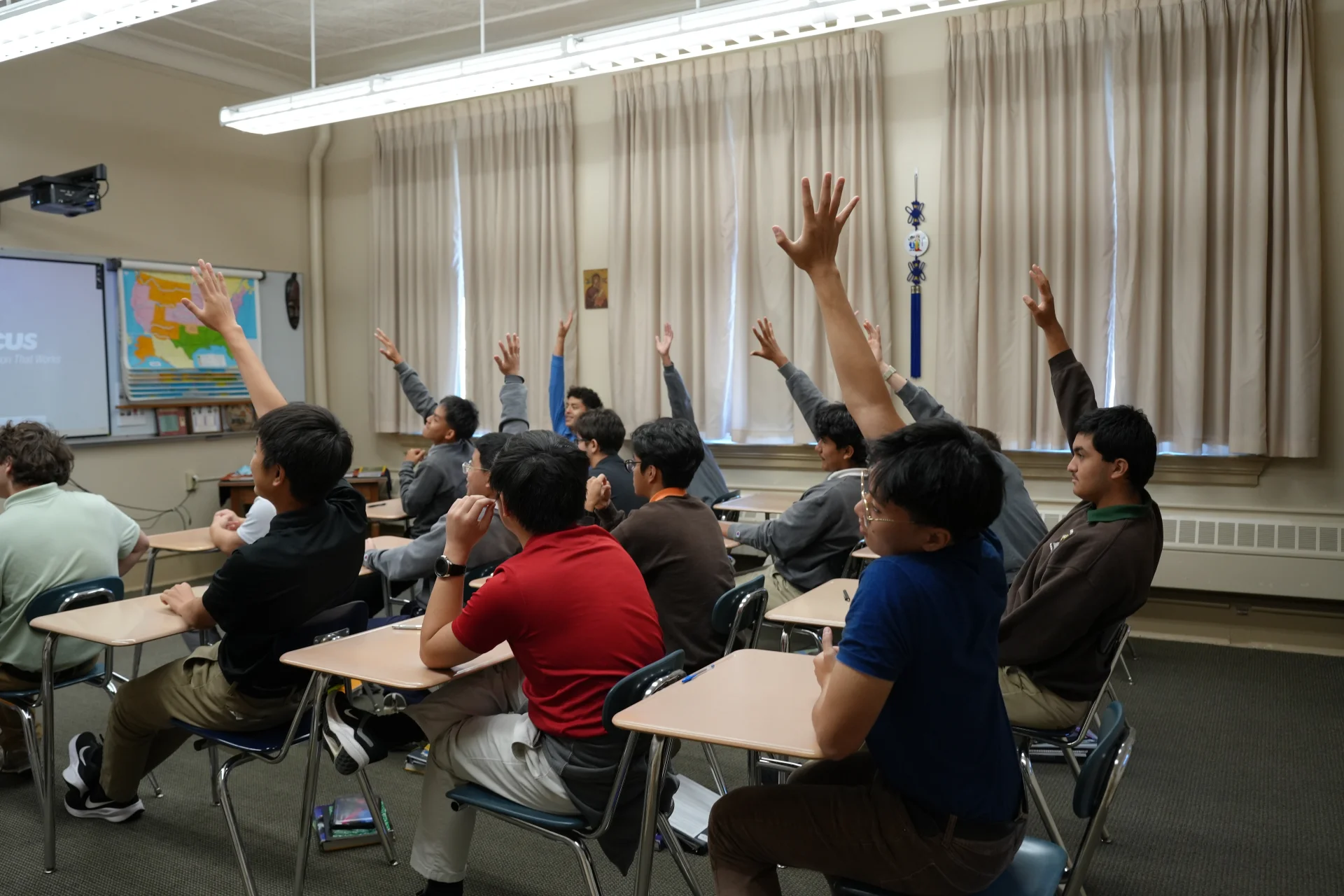
Boy-centered learning recognizes that many boys benefit from active, hands-on instruction, strong relationships with mentors, opportunities for healthy competition, and an environment where they feel comfortable taking academic risks. When these elements come together, students don't just perform better in the classroom, they develop the character, resilience, and leadership skills they'll carry into adulthood.
An all-boys boarding high school offers a unique setting where boys are supported academically, socially, and emotionally each day. From personalized instruction to meaningful mentorship, this type of environment can help students discover their strengths while building confidence and independence.
Personalized Support for Academic Success
One of the greatest advantages of an all-boys school is the ability to provide individualized support. With smaller class sizes and teachers who know their students well, boys receive more one-on-one guidance when they need it.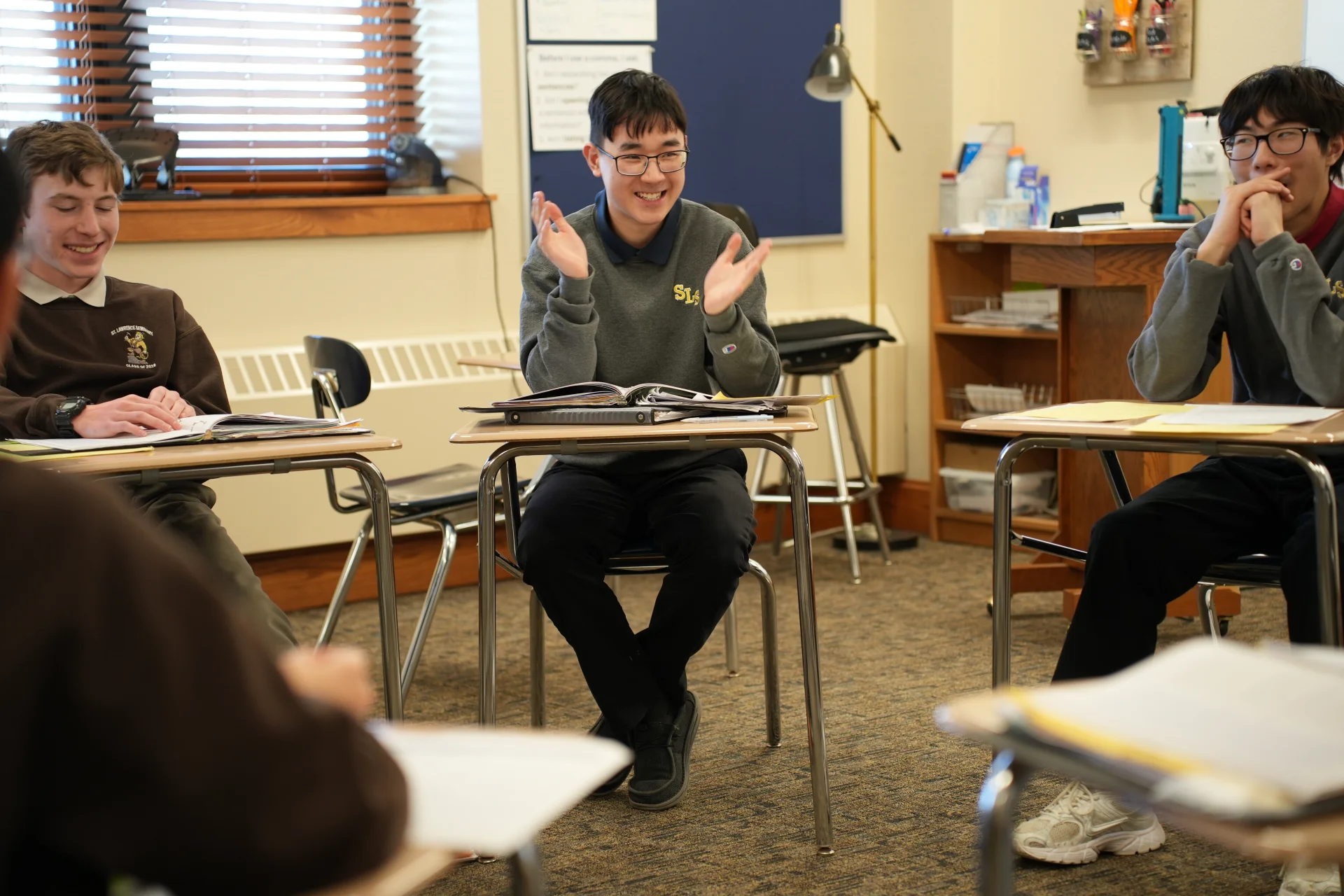
Instead of falling behind or becoming discouraged, students have regular opportunities to ask questions, receive immediate feedback, and build stronger study habits. Faculty members are able to identify each student's strengths, challenges, and learning style, allowing them to tailor instruction and encourage growth.
This level of personal attention helps boys develop confidence as learners while reinforcing the idea that effort, persistence, and improvement matter just as much as grades.
Active, Engaging Learning Keeps Boys Invested
Many boys learn best when they're actively participating rather than simply listening. Boy-centered classrooms often emphasize movement, collaboration, hands-on activities, and real-world problem solving.
Lessons become opportunities to build, create, debate, experiment, and lead. Students are encouraged to ask questions, work together, and apply what they're learning in meaningful ways.
When learning is interactive and engaging, boys are more likely to stay focused, retain information, and develop genuine curiosity. Instead of viewing school as something they have to do, they begin seeing it as a place where they can succeed.
A Community That Builds Character
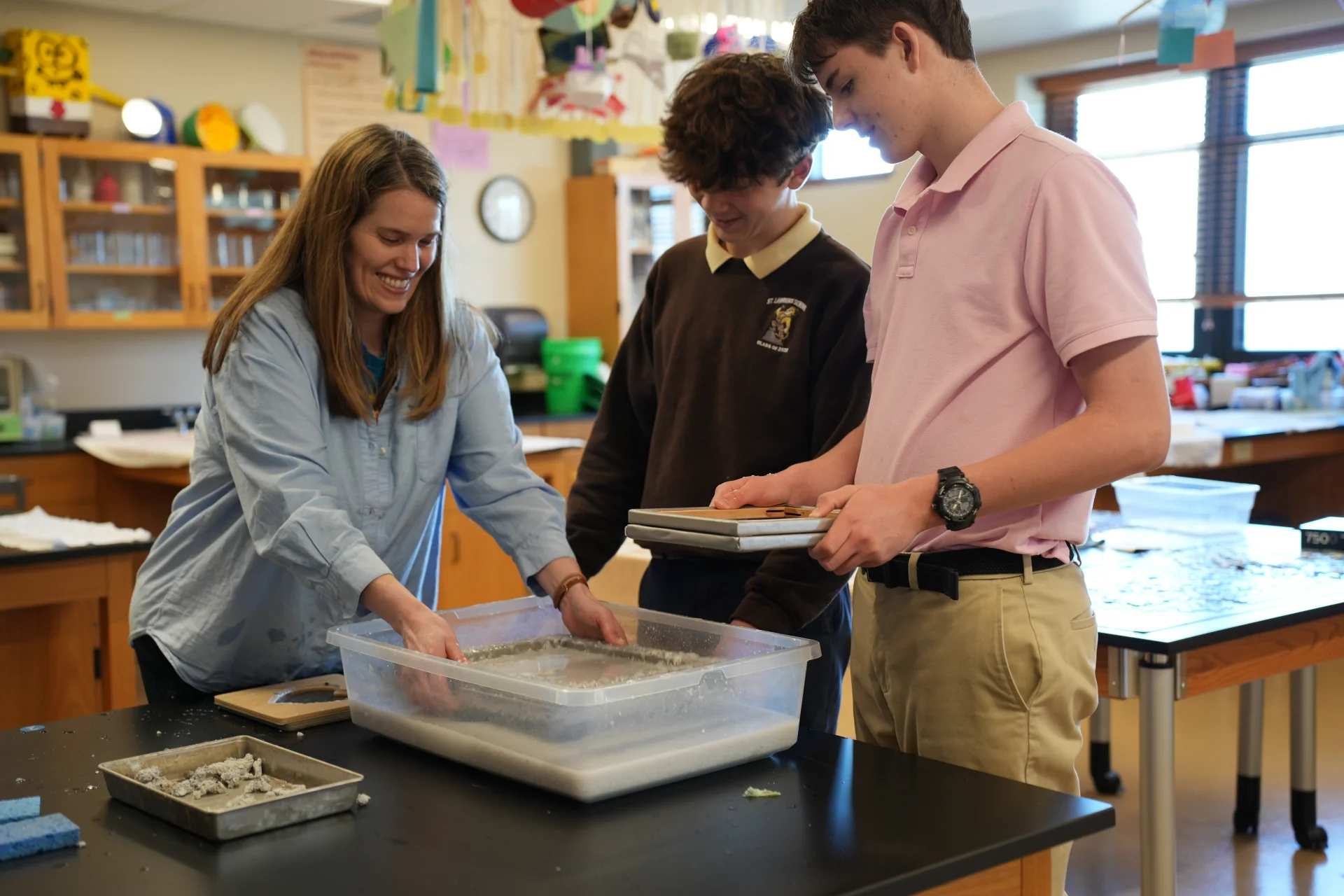
Beyond academics, boys benefit from living and learning in a supportive community. At St. Lawrence, our faculty members serve as mentors, while our fraternity system and senior mentor program helps students build meaningful friendships and develop leadership skills. From day one, our boys are surrounded by strong male role models that help them learn to manage their time, advocate for themselves, and become responsible members of our school community.
5 Teaching Strategies That Help Boys Learn
While every student is unique, research and classroom experience suggest that many boys benefit from these instructional strategies.
1. Project-Based Learning
Boys often thrive when learning has a clear purpose and tangible outcome.
Project-based learning allows students to investigate real-world problems, collaborate with classmates, and create meaningful solutions. Whether they're designing engineering projects, conducting scientific investigations, or developing podcast storylines, students become active participants in their education.
2. Healthy Competition & Gamification
Friendly competition can increase motivation and engagement for many boys.
Teachers can incorporate games, challenges, team competitions, simulations, and achievement-based activities that encourage students to push themselves while celebrating progress. Competition becomes a tool for learning rather than simply winning.
3. More Choices in Reading & Writing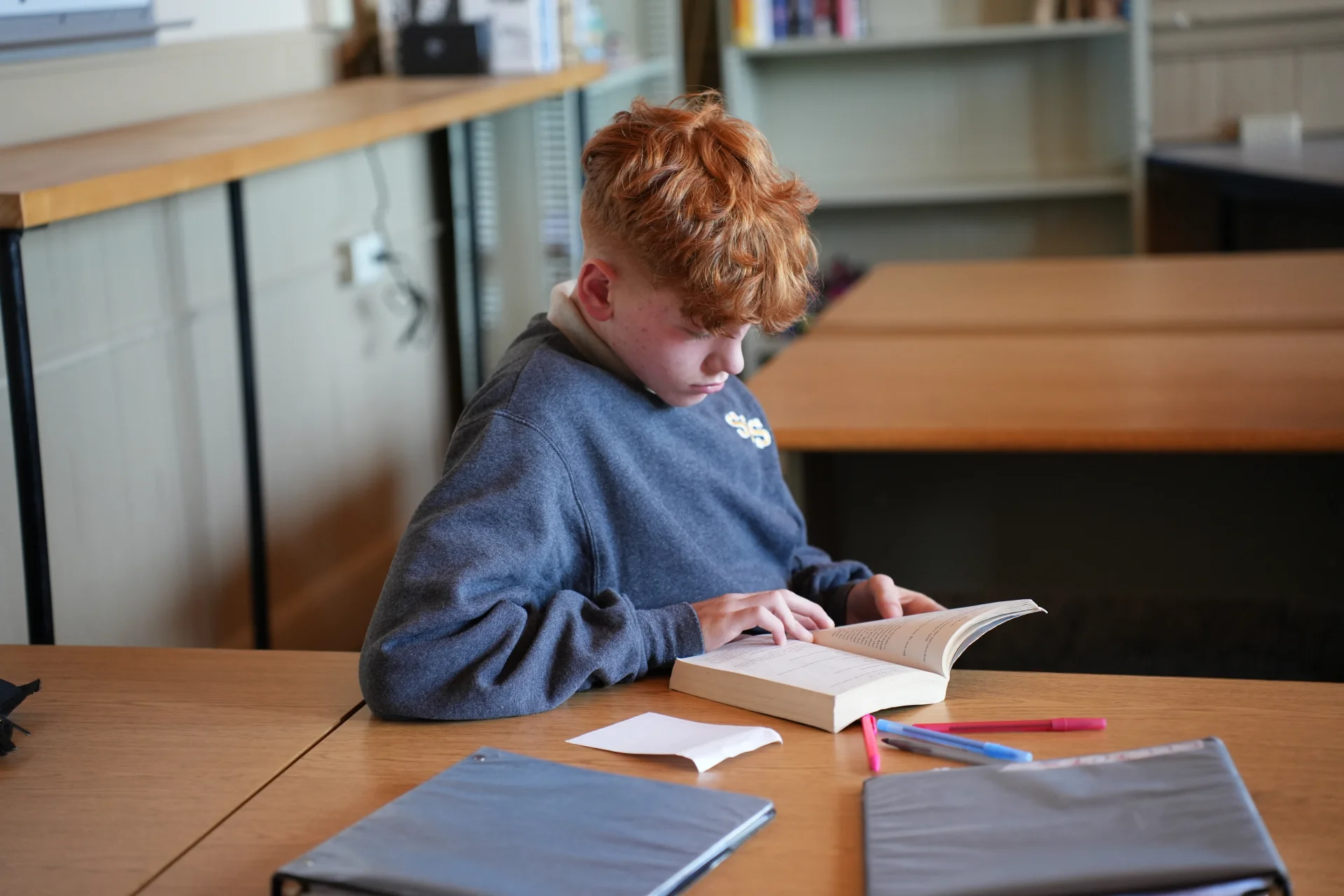
Giving boys greater ownership over what they read and write can significantly increase engagement.
Instead of assigning only one type of text or writing assignment, teachers can provide choices that align with students' interests while still meeting academic goals. Adventure novels, biographies, history, technology, sports, science, and current events can all spark enthusiasm for reading.
Similarly, allowing students to write persuasive essays, podcasts, presentations, creative stories, or research projects gives them multiple ways to demonstrate their learning and strengthen communication skills.
4. Single-Gender Learning Groups
Learning alongside other boys can create an environment where students feel comfortable participating, asking questions, and taking academic risks.
Without some of the social pressures that can accompany coeducational settings, many boys become more willing to engage in discussions, pursue leadership opportunities, and challenge themselves academically.
5. Relational Learning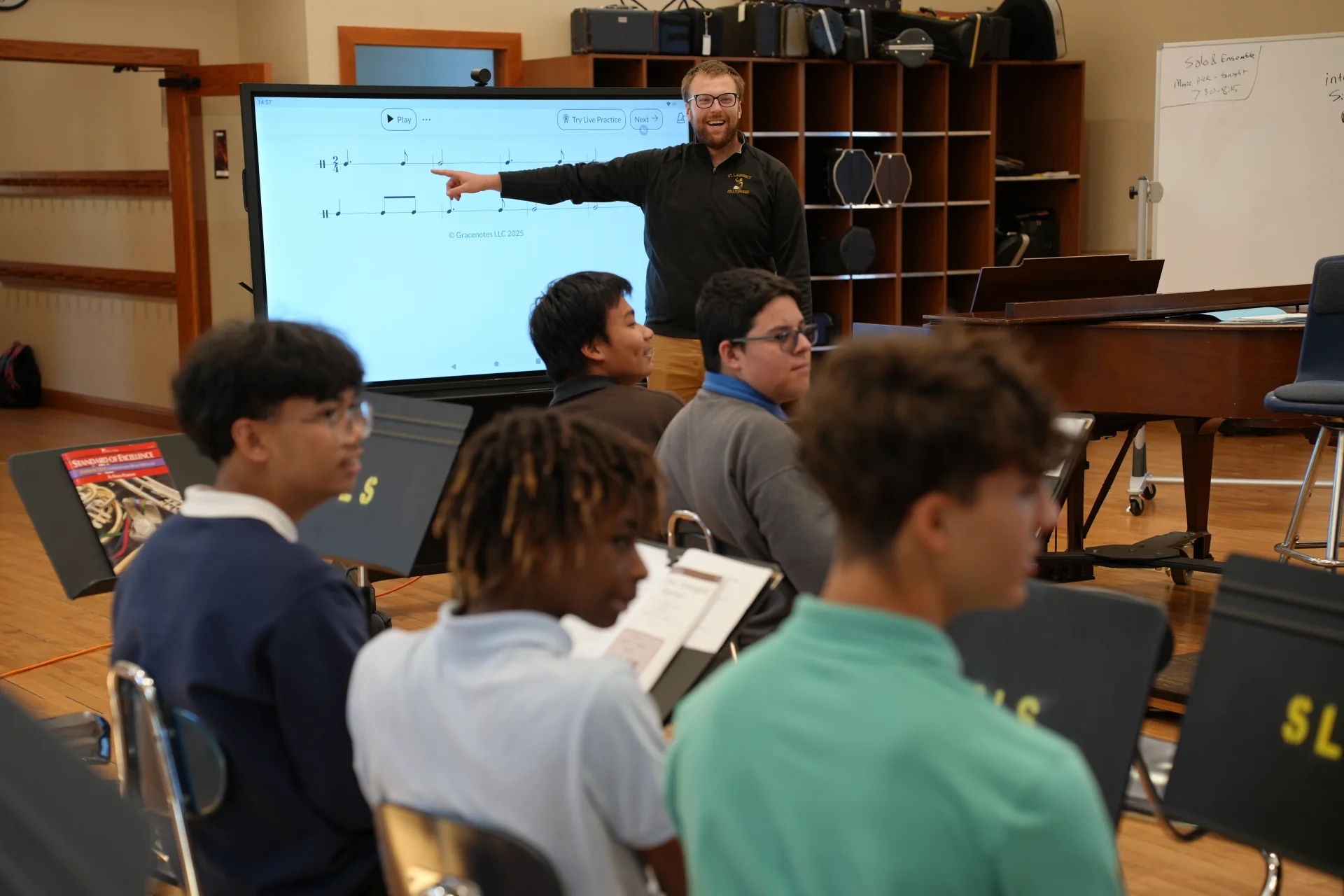
Boys learn best when they know their teachers know them. Strong relationships between students and faculty create the trust that encourages curiosity and growth. In a boarding school community, these relationships extend beyond the classroom through athletics, residence life, campus ministry, clubs, and shared traditions. Students thrive when they are surrounded by mentors who challenge and support them.
Supporting the Whole Student
The most successful educational experiences recognize that boys need support in every area of their lives.
An all-boys school, especially a boarding school, provides a unique environment where students receive personalized attention, build lifelong friendships, learn from positive male role models, and develop the confidence, character, and leadership they'll carry into college and beyond.
Would you like more information about St. Lawrence Seminary? Check out our website or call us at 920-753-7570.
 Schedule a Visit
 School Calendar
 Parent Login
 Virtual Tour